 ×
×

A PARTNERSHIP BUILT ON SHARED MISSION
Feeding
New York City
Together.
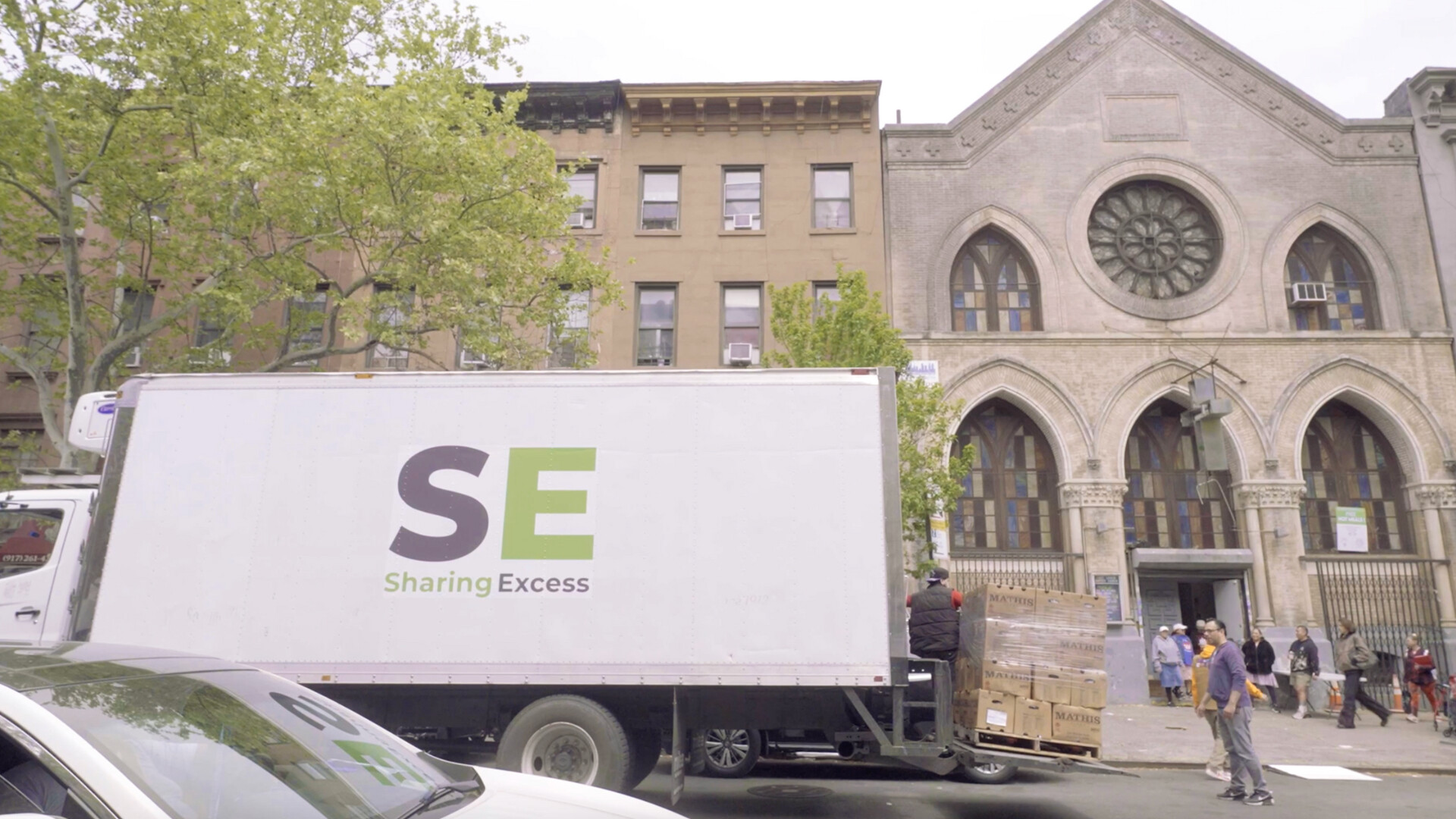
Together, Sharing Excess and Robin Hood have created one of the most impactful fresh food access solutions in New York City in times of crisis. In times of unprecedented food crisis, we need to go even bigger in our fight against hunger.
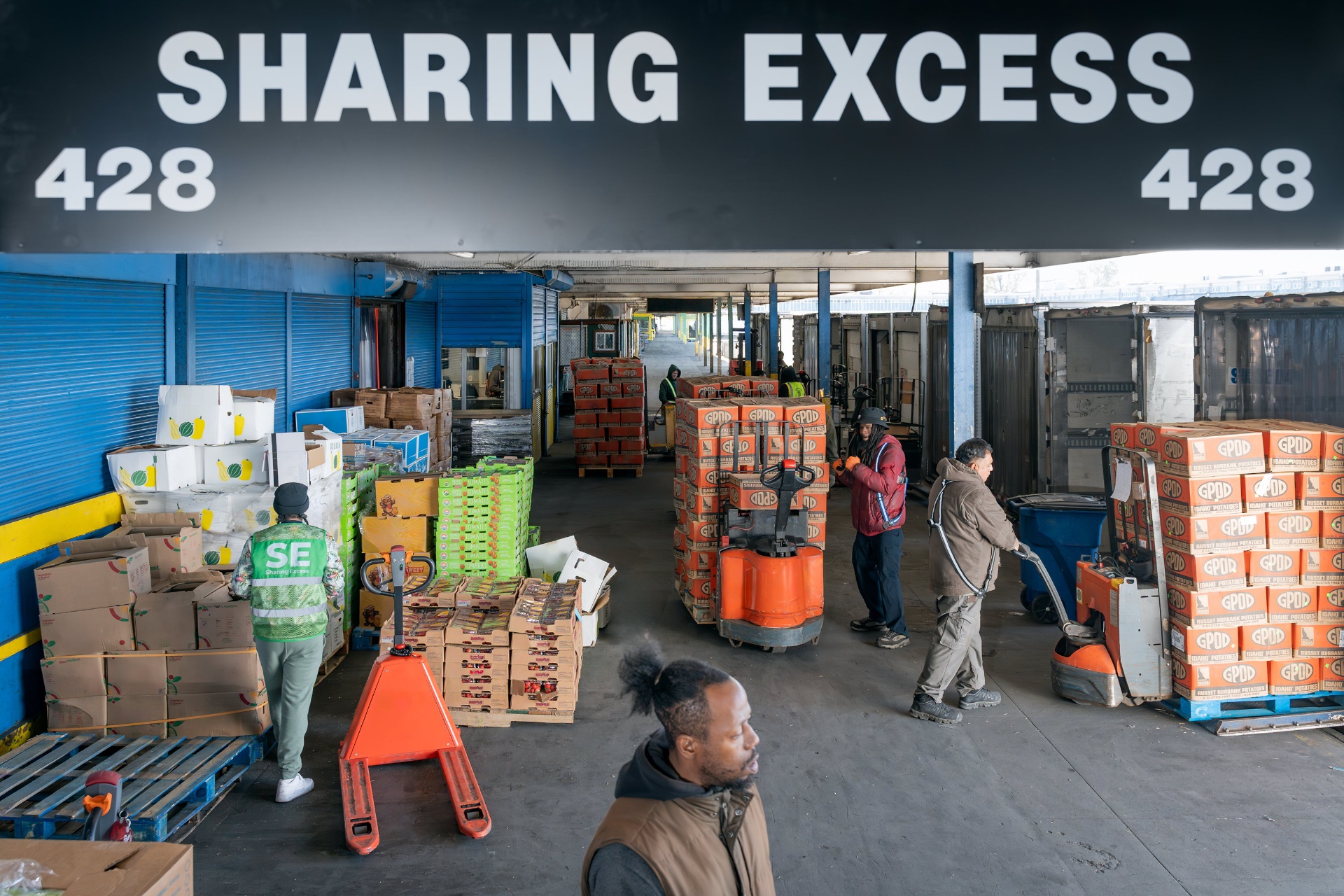
From our Hunts Point Produce Market hub
This is what your support has made possible.
2023 – 2026
28M
pounds redistributed
23M
meals made possible
$54M
in food value delivered
103M+
GHG emissions diverted
170+
community distribution partners
1M+
New Yorkers fed annually
All of this impact in just three years.
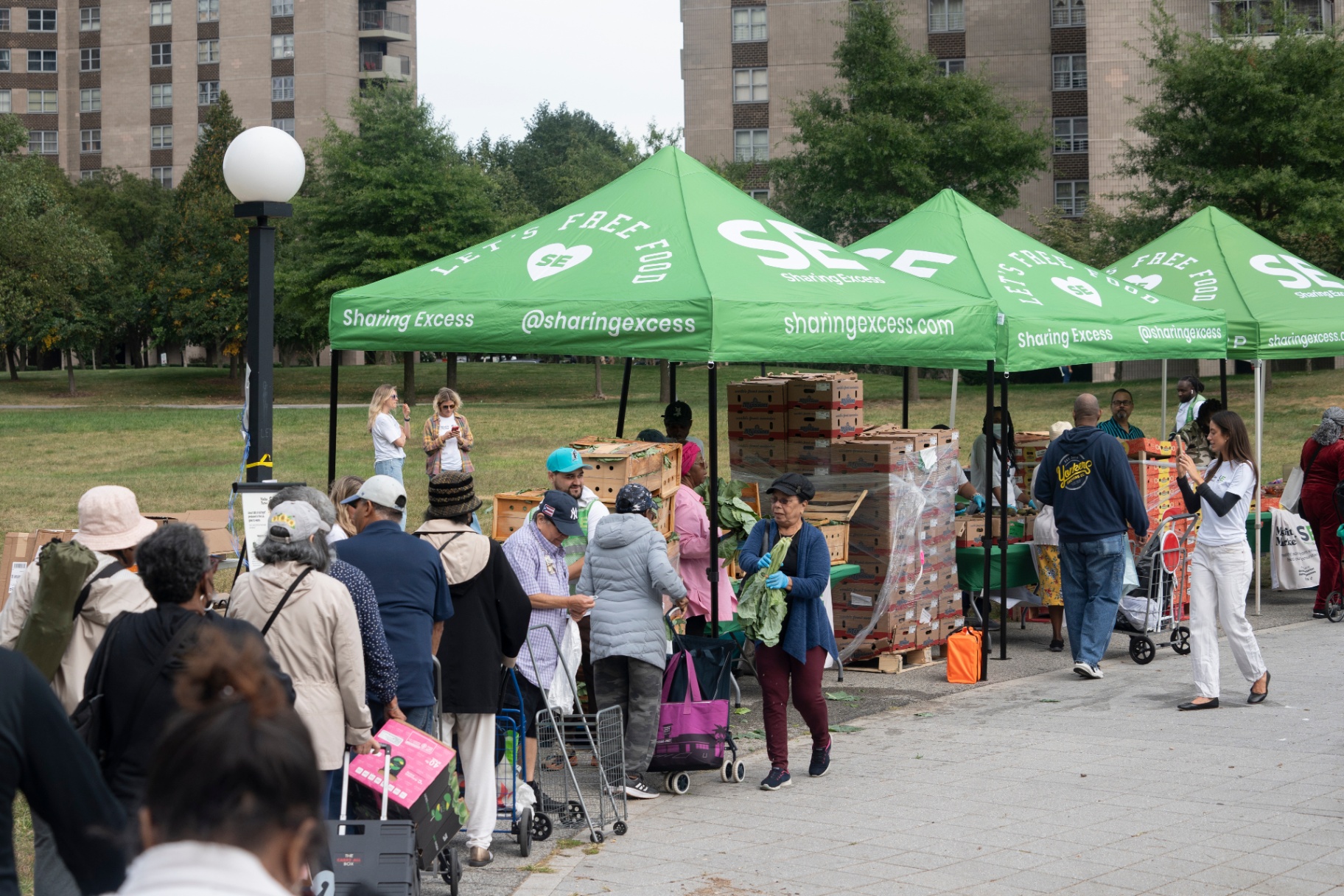
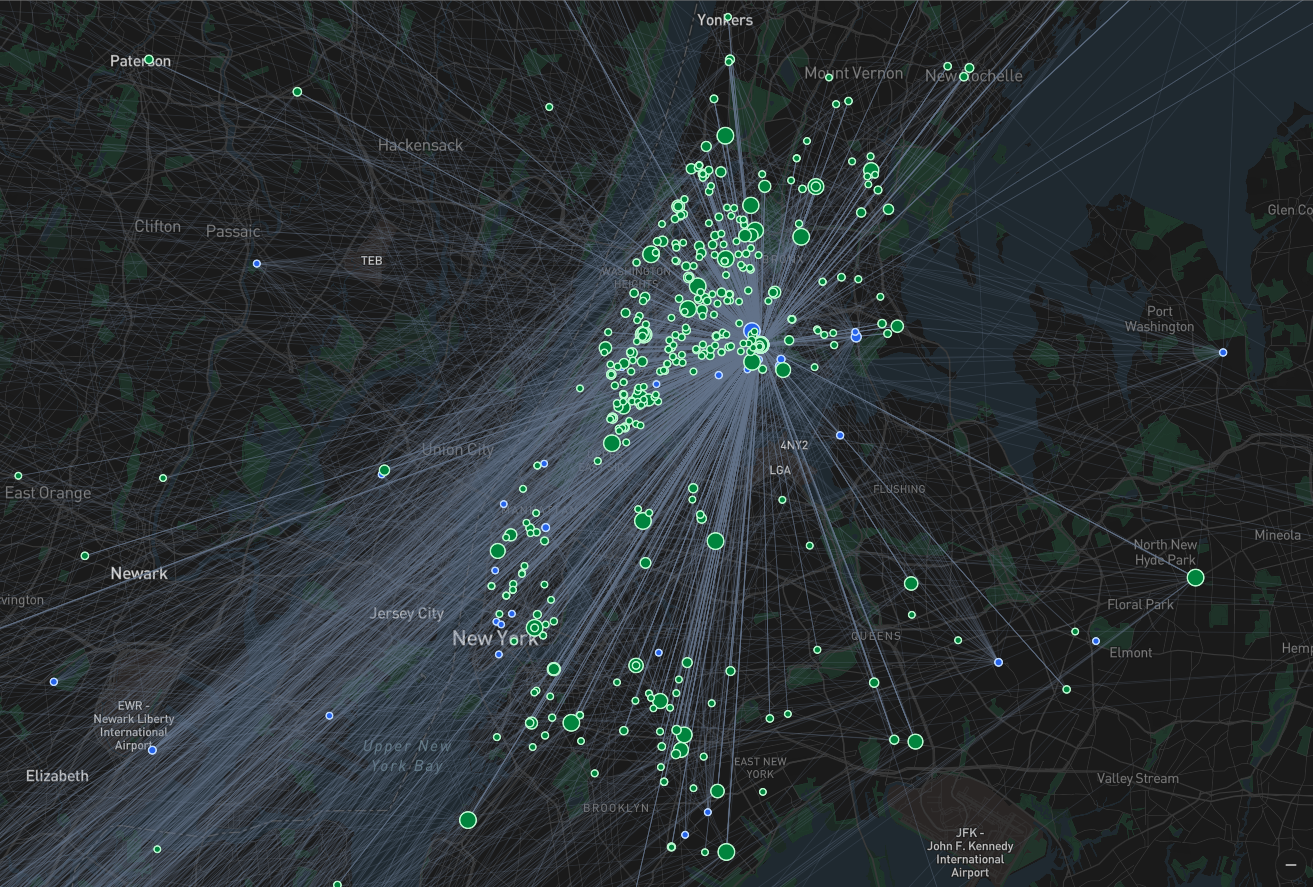
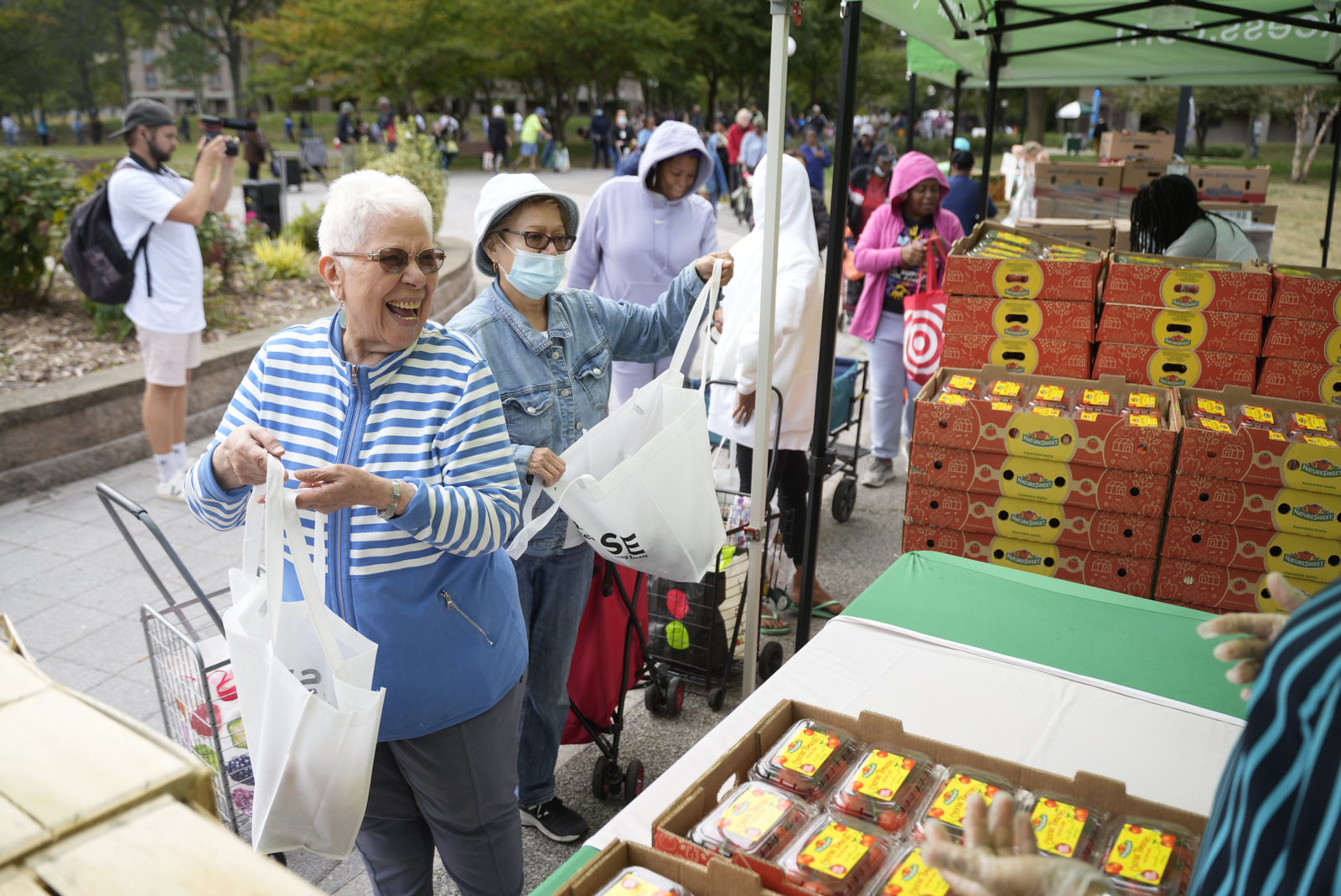
Reaching all five boroughs with fresh produce.
THE SIGNAL
Demand is higher than ever.
Despite real progress over the last two and a half years, the market floor and the neighborhoods we serve keep telling us the same thing.
THE RESPONSE
We need to grow our logistical capacity.
To receive more food and feed more New Yorkers, we have to expand the infrastructure that moves produce from the market floor to the communities that need it.
The need for food donations in New York City is immense, and the demand on recovery organizations has only grown with the recent surge of migrants and families turning to community food programs. Sharing Excess shows up. They move real volume, they don’t cherry-pick the easy lots, and they aren’t afraid to do the work - sorting, repacking, and rescuing product that other partners pass over.
Joshua Gatcke
Vice President · Fruit Procurement & Sales · Nathel & Nathel, Inc.
1 in 5
NYC adults experienced food insecurity in the last year
1 in 4
NYC children live in food-insecure households
+85%
increase in food pantry visits since 2019
20
NYC community partners on our waitlist today
Sources: NYC Mayor's Office of Food Policy · Food Bank For NYC · City Harvest
ON THE GROUND · RIGHT NOW
The federal floor is dropping out. The line at the door keeps growing.
Since H.R. 1 — the One Big Beautiful Bill Act — took effect, SNAP has been quietly contracting. Expanded work requirements began phasing in on March 1, 2026, fuel and food prices have spiked since the Iran conflict, and our partner pantries are absorbing the hit. This is what we’re seeing on the Hunts Point floor and across the five boroughs week by week.
223K
New Yorkers at risk of losing SNAP under the new federal work requirements that took effect this spring.
NYC Mayor's Office, June 2026
180K+
New Yorkers statewide have dropped off SNAP rolls since January 2025 — a 6.2% decline tied to the federal overhaul, not improving conditions.
City Limits, May 2026
+54%
Increase in fuel costs for NY food bank fleets since 2025. Every dollar burned at the pump is a dollar pulled from rescue and distribution.
Regional Food Bank of Northeastern NY
20
Community organizations sitting on our NYC waitlist today — pantries telling us their shelves empty faster than they can restock.
Sharing Excess NYC ops, 2026
Click to see more
Expanded SNAP work requirements under H.R. 1 began phasing in March 1. Recipients are getting cut off mid-month, missing recertification deadlines, or self-deselecting because the paperwork burden has gotten too heavy. The dollars that used to buy a week of groceries are now buying three or four days.
Diesel costs have climbed sharply since the Iran conflict, raising the price of every pallet moved and every grocery run a family makes. Hourly workers are absorbing higher commutes and higher checkout totals at the same time — and showing up at pantries that used to only see weekend visitors.
Our partners report longer lines, earlier closures, and a steady arrival of first-time visitors — full-time workers, seniors on fixed incomes, families with kids — people who were managing six months ago and aren't now. Twenty organizations are already on our waitlist asking for regular pickups we can't yet serve.
WHAT THIS MEANS FOR US
Every dollar pulled from SNAP, every cent added to diesel, and every new family in the pantry line lands directly on our dock at Hunts Point.
Rescued produce is one of the fastest, highest-leverage ways to backfill what the federal safety net is taking off the table. Growing our logistical capacity right now isn’t optional — it’s the difference between a partner getting a full pallet next week or turning families away. The breakdown below is exactly what it takes to meet this moment.
Sources: NYC Mayor's Office of Food Policy · NYC Food Policy Center (Hunter College) · City Limits · Regional Food Bank of Northeastern NY · Gothamist · NYHealth Foundation testimony to NYC Council Committee on General Welfare (April 2026).
What we need to meet the moment.
CORE OPERATING NEEDS — CLOSING THE $600K GAP
The Need
Food Rescue Operations
$170K
Funds the food sourcing, pallet building, and inventory management staff who keep our Hunts Point dock running — coordinating donations, building pallets, and routing produce to the partners who need it most.
The Impact
1.5M pounds
provided to New Yorkers
Dedicated sourcing and inventory staff let us build more pallets each week, coordinate allocation across our partner network, and keep the dock running smoothly — moving 30–40% more produce out of Hunts Point weekly without burning out the team.
The Need
Transportation & Delivery
$180K
Covers new delivery routes and our own food rescue driver to expand the fleet that moves rescued produce from Hunts Point out to partner organizations across the five boroughs.
The Impact
1.5M pounds
provided to New Yorkers
New routes and our own food rescue driver let us clear the partner waitlist, add 70-80 pallets per week (a 30-40% jump in weekly distribution), and extend our reach deeper into underserved neighborhoods.
The Need
Warehouse Space
$250K
Secures a larger warehouse with expanded cold storage — the physical capacity we need to receive, sort, and hold significantly more produce without spoilage.
The Impact
4M pounds
provided to New Yorkers
A larger space with expanded cold storage roughly doubles our capacity — adding over 4M pounds of rescued produce annually, reducing spoilage on hot days, giving more volunteers room to work safely and efficiently, and letting us absorb new donation streams and shared-cost agreements that sustain the operation long-term.
Total Funding Need
$600K
Resulting Impact
7M pounds
BEYOND RESCUE — A FLEXIBLE FOOD PURCHASE BUDGET
The Need
Food Purchase Budget
$100K
A dedicated fund to buy food when rescue alone can't meet the moment — balancing variety so meals are more culturally appropriate, and providing consistency when the market shifts (tariffs, gas prices, supply shocks) so no partner organization has to go without.
The Impact
1M pounds
of food purchased annually
- Round out rescued produce with staples that reflect the cultures we serve
- Buy strategically during surplus to lock in low prices and stretch every dollar
- Absorb market shocks — tariffs, fuel spikes, shortages — without partners going without
- Keep distribution steady through seasonal gaps in donated supply
ABOVE THE GAP — A MULTI-YEAR CAPACITY INVESTMENT
The Need
Leadership & Development
$400K
Hiring a Chief Development Officer and an Executive Director for New York operations gives us the leadership to deepen donor relationships, manage day-to-day growth, and build real partnerships with city agencies and community organizations across the five boroughs.
The Impact
- $2 million in sustainable annual funding
- Increased food rescue capabilities between 5 and 10 million pounds
- Policy advocacy shaping long-term food access
- Long-term institutional stability
The Impact of Your Investment
Fully funded, we can increase capacity by 50% over the next two years - serving 1.5 million New Yorkers annually.
That growth means establishing deeper roots within the five boroughs, expanding our network of community partners, and making sure fresh produce reaches the neighborhoods where the need is highest.
Annualized Impact At Full Capacity
18M
pounds redistributed annually
15M
meals made possible
$35M
in food value delivered
34M
lbs GHG emissions diverted
250
community distribution partners
1.5M
New Yorkers fed annually
NYC FUNDING PARTNERS
Building a coalition of funders behind fresh food access in New York City.
Since Robin Hood's initial investment, we've built a growing base of philanthropic support behind the New York operation and unlocked state funding to build more durable, diversified revenue paths. We continue to prioritize efforts that sustain growth through a mix of public, philanthropic, and earned revenue.



A Note of Thanks
Thank you for taking the time to read through this. We can't overstate how much Robin Hood's support and partnership means to us. We're energized by the vision for New York City and deeply inspired by the partners we work alongside every day. Your continued belief in us would help build a more sustainable food system across the five boroughs.
Evan Ehlers
Founder & CEO · Sharing Excess
Let's Get in Contact
Sharing Excess Inc. is a registered 501(c)(3) nonprofit. Tax ID/EIN: 86-2161466. sharingexcess.com